
Teeth Whitening in Wayland, MA
A Science-Based Approach to a Brighter, More Balanced Smile
Teeth whitening is one of the most common ways to enhance a smile. When selected appropriately, it can improve brightness and refresh your overall appearance.
At Lit Dental Esthetics & Implant Center, whitening is approached as part of a comprehensive aesthetic plan, ensuring that results are not only brighter—but natural, balanced, and aligned with your overall smile.
What Is Teeth Whitening?

Teeth whitening refers to the process of lightening the natural color of teeth using peroxide-based agents that break down stain molecules within enamel and dentin.
Whitening may help improve:
Yellowing associated with aging
Staining from coffee, tea, wine, or tobacco
Overall brightness of the smile
It is important to note that whitening affects natural tooth structure only and does not change the color of crowns, veneers, or fillings.
🔬 The Science Behind Whitening
Most clinically studied whitening systems use:
Hydrogen peroxide
Carbamide peroxide
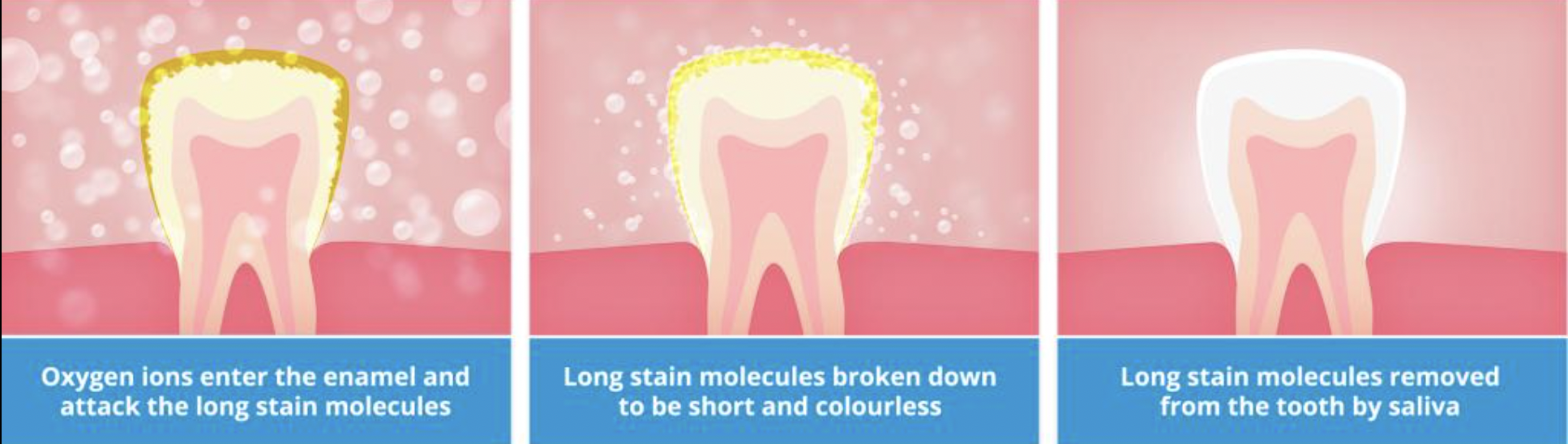
These agents release oxygen molecules that penetrate the tooth and break apart pigments responsible for discoloration.
Published research and clinical use over time have supported the effectiveness of these systems when used appropriately, with temporary sensitivity being the most commonly reported side effect.
🏥 Whitening Options
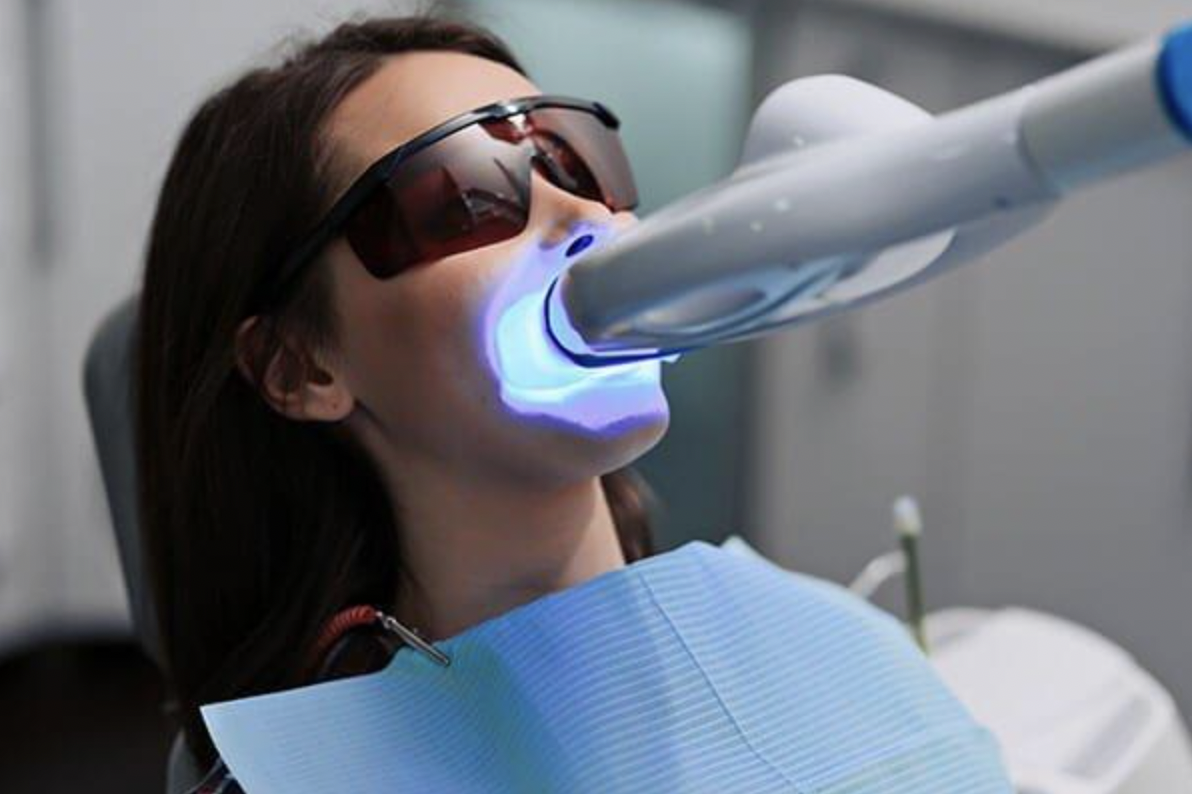
In-Office Whitening
Performed under professional supervision
Higher concentration whitening agents
Designed for more immediate results (often in a single visit)
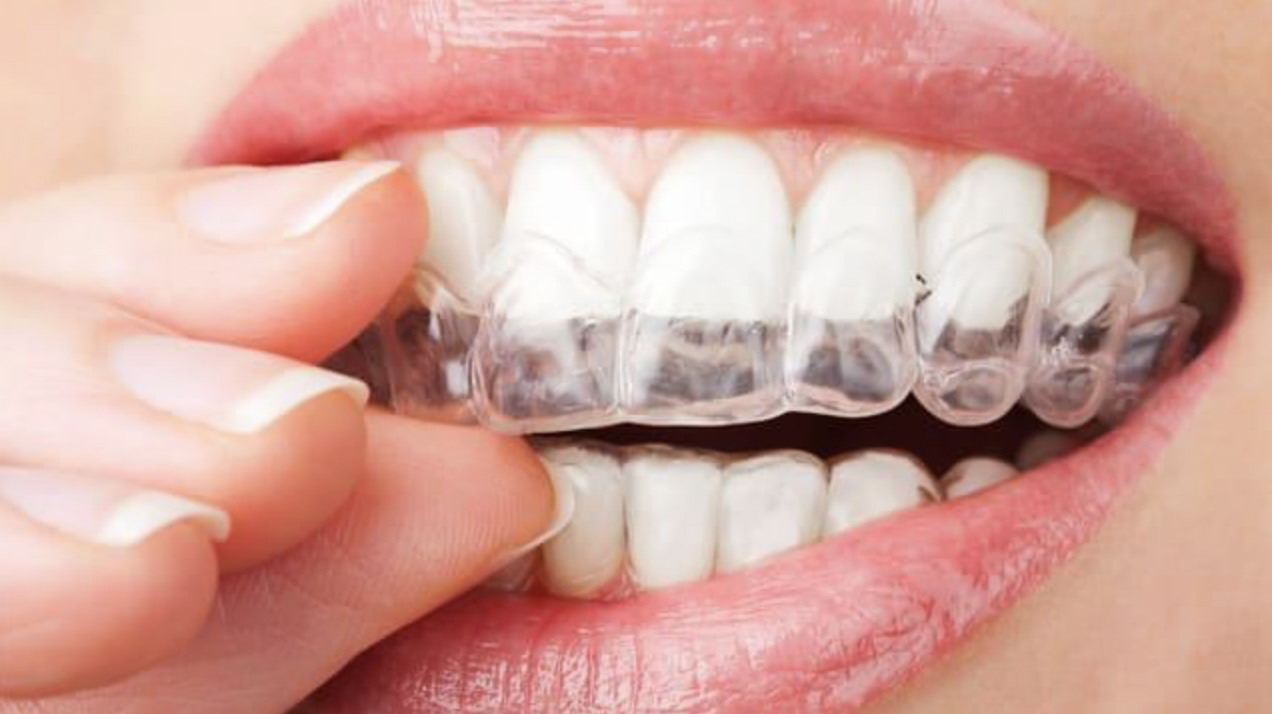
Take-Home Professional Whitening
Custom trays fabricated specifically for your teeth
Gradual whitening over 1–2 weeks
Often used for refinement and long-term maintenance
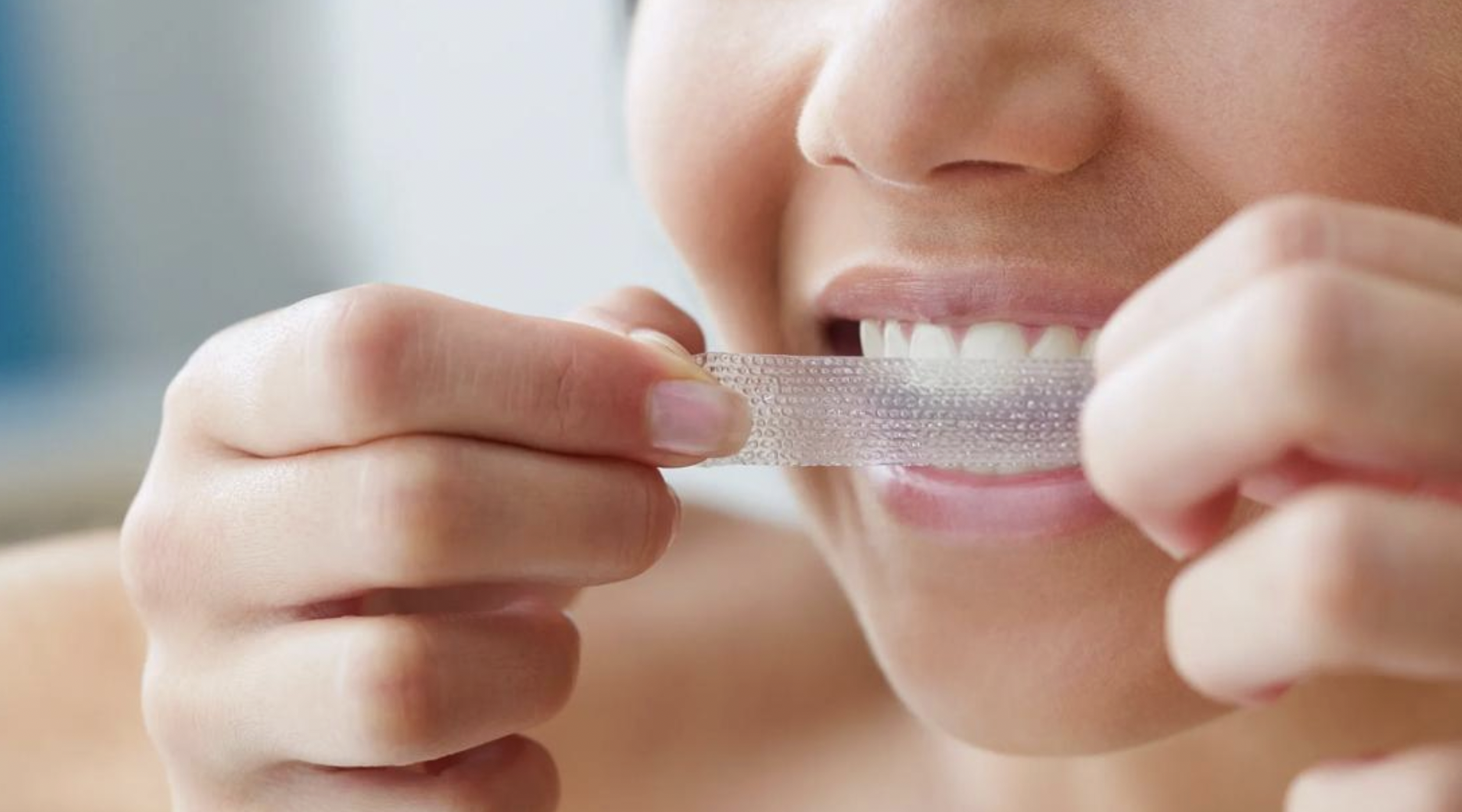
Over-the-Counter Products
Whitening strips, gels, and toothpastes
May provide mild improvement for some patients
Less controlled delivery and more variable outcomes
⚖️ A Balanced Perspective
While whitening can be effective, it is not the right solution in every case.
Whitening does not change:
The color of crowns, veneers, or fillings
Certain types of deep discoloration
Structural or alignment concerns
In some situations, other cosmetic treatments may be more appropriate to achieve a balanced and natural result.
Whitening is also often considered as a preparatory step before cosmetic dental work. Because restorations such as veneers, crowns, or bonding are matched to surrounding natural teeth, some patients may choose to whiten first so that new restorations can be designed to a brighter, more uniform baseline shade.
The appropriate sequence of treatment depends on your goals, existing dental work, and overall smile design.
🎨 Precision Shade Matching & Aesthetic Planning
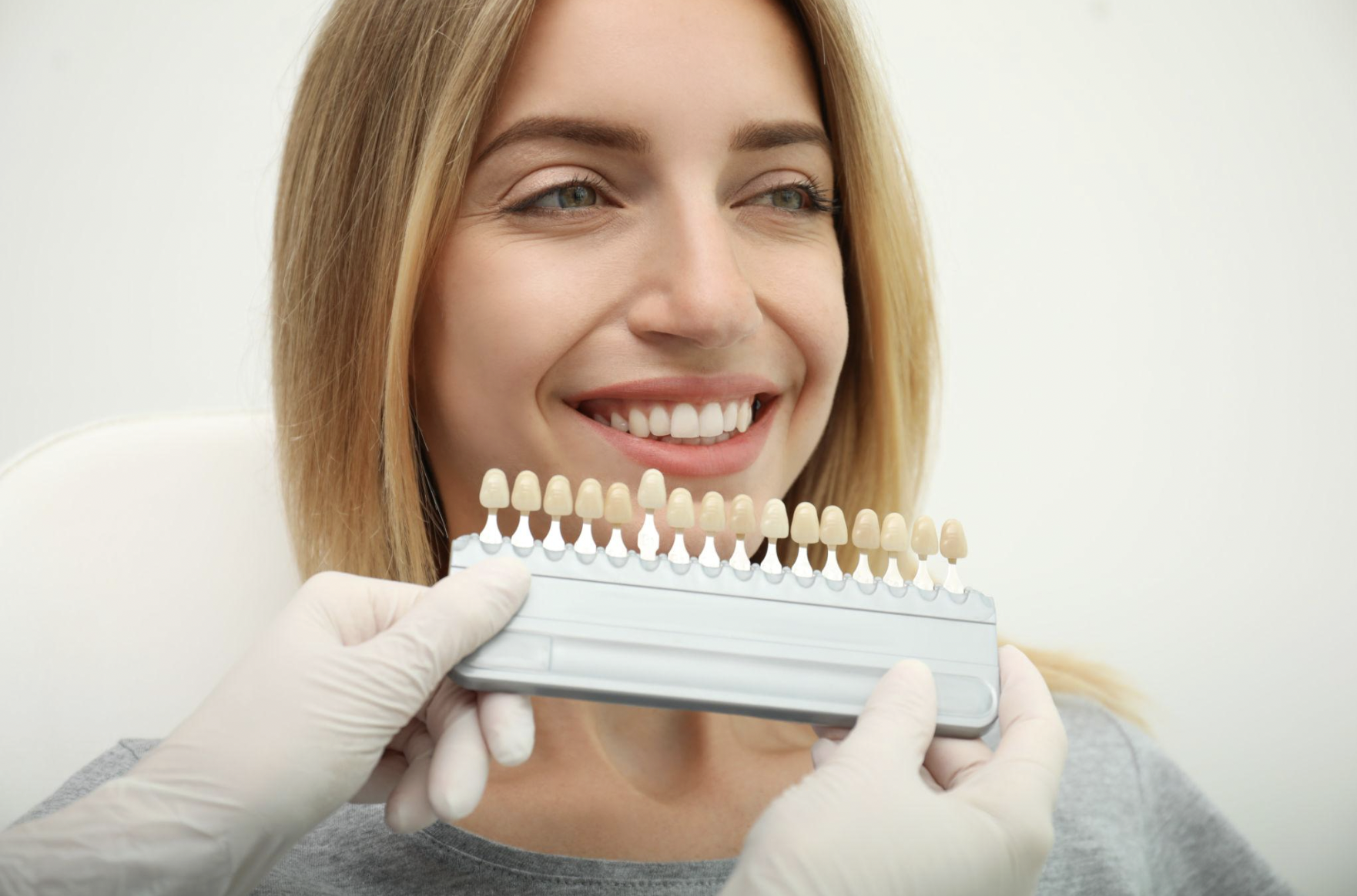
Achieving a natural result is not simply about making teeth whiter—it is about selecting the right shade for your face, skin tone, and overall smile.
Dr. Ortiz incorporates advanced concepts in shade selection, including principles taught internationally in aesthetic dentistry and color perception, sometimes referred to as the neuroscience of shade taking.
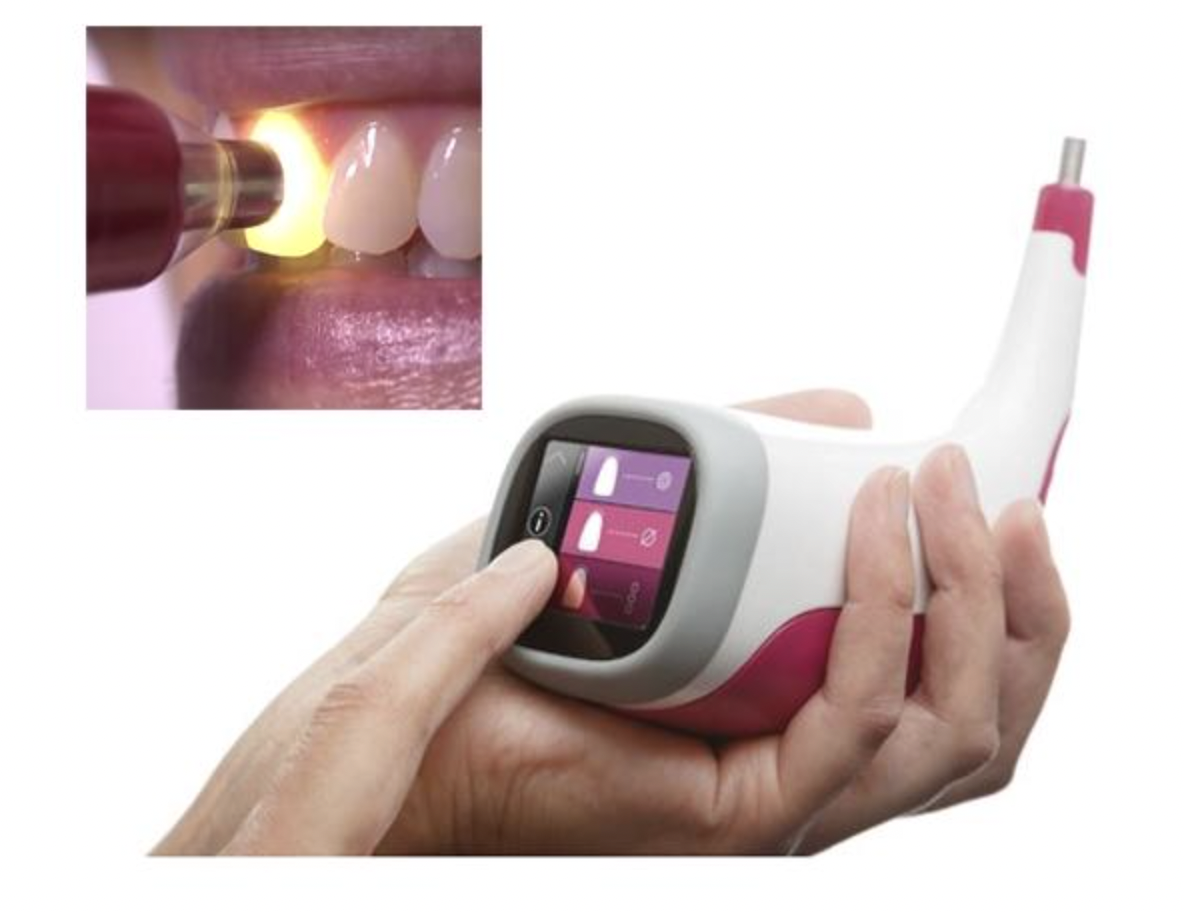
We also utilize digital shade analysis technology, including the VITA Easyshade, which provides objective measurements of tooth color.
This allows for:
More consistent and repeatable shade selection
Greater predictability in cosmetic planning
Improved coordination between whitening and restorative work
⚠️ Safety, Risks & Who Should Wait
Available evidence supports the safety of whitening when used appropriately. However, individual responses vary.
Potential considerations may include:
Temporary tooth sensitivity
Mild gum irritation
Uneven whitening if restorations are present
Some patients may be advised to delay whitening until underlying conditions are addressed, such as:
Active cavities
Gum inflammation or periodontal disease
Significant enamel wear or sensitivity
A professional evaluation helps determine whether whitening is appropriate.
📊 Evidence-Based Perspective
Guidance from organizations such as the American Dental Association indicates that:
Peroxide-based systems are the most studied methods for whitening natural teeth
Tooth sensitivity and mild gum irritation are the most commonly reported side effects
Results vary based on tooth structure, staining, and existing dental work
Professional evaluation may help determine the most appropriate approach for each individual.
🌿 Enamel Health & Emerging Technologies
On the Horizon of Dental Technology there is increasing interest in technologies that support enamel health and surface repair.
These include:
Hydroxyapatite-based products
Calcium and phosphate-releasing systems
Bioactive materials designed to support remineralization
These approaches may help improve surface smoothness and reduce sensitivity. However, they are generally not considered direct substitutes for traditional whitening when a noticeable color change is desired.
Although these technologies are still emerging and not yet widely available in everyday clinical practice, they highlight a meaningful shift in the field. Dentistry is moving toward more biologically driven and preservation-focused approaches that aim to support the natural structure of the tooth.
We are closely following these developments as part of a continued commitment to advanced care, and to understanding how future innovations may influence both preventive and aesthetic dentistry.
🥗 Maintaining a Brighter Smile
Long-term results are influenced by daily habits and maintenance:
Routine professional cleanings
Consistent oral hygiene
Awareness of staining foods and beverages (coffee, tea, wine)
Rinsing with water after staining foods
Periodic whitening maintenance when appropriate
💎 When Whitening Isn’t Enough
For patients seeking more comprehensive changes, whitening may be only one part of treatment.
Other options may include:
Porcelain veneers
Cosmetic bonding
Full smile design
These approaches allow for greater control over shape, proportion, and overall aesthetics.